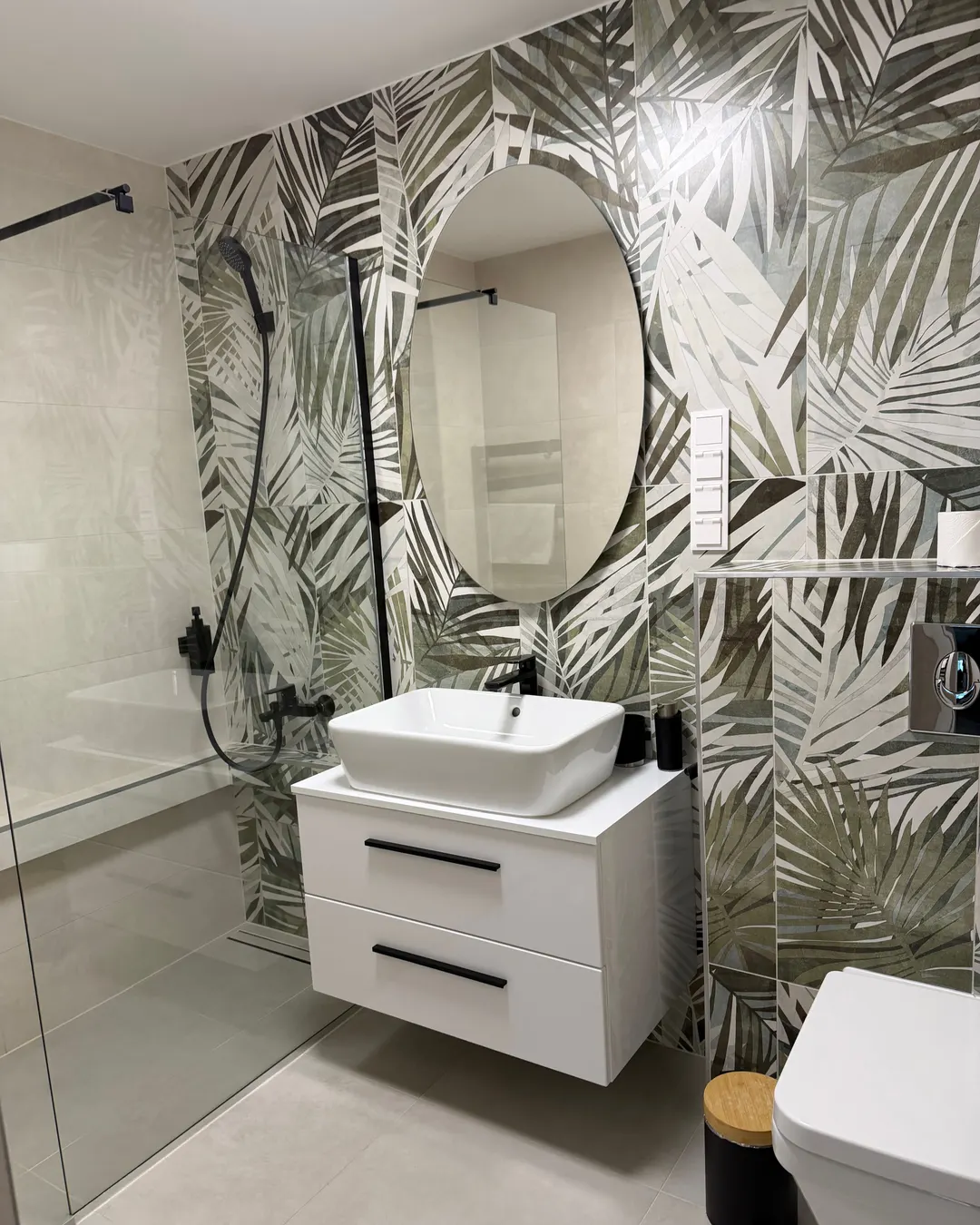
A clinic waiting room after closing: the floor is shining, the counter is clean, the washroom smells fresh. Yet the next morning a question may come up that the shine cannot answer: what were the door handle, the counter and the tap treated with, when, and for how long? A surface can look clean and still not be disinfected.
The two terms are often confused, yet they differ in purpose, in method and in what can be shown afterwards. An official or internal inspection spots this difference immediately.
Cleaning: removing the dirt
The purpose of cleaning is to remove visible and invisible dirt: dust, grease, stains and deposits. This is the basis for every further step, because a disinfectant cannot work properly on a soiled surface: the dirt forms a layer between the product and the surface. That is why the order cannot be reversed: we clean first, then disinfect. As for what you can reasonably expect from regular cleaning, we have covered separately.
Disinfection: reducing the number of pathogens
Disinfection reduces the number of pathogens on a surface, using an approved active substance at the concentration and contact time specified by the manufacturer. In the European Union, disinfectants are classed as biocidal products: they require official authorisation before being placed on the market, and their active substance must be approved at EU level. Disinfection is therefore not a more thorough clean, but separate professional work with its own rules.
Dwell time
Dwell time is how long a surface must stay wet with the product for it to take effect. If the product is wiped off too soon, or the surface dries prematurely, the disinfection does not achieve its purpose, even if the surface looks clean. This time is stated on the product label and instructions for use, and it can vary from product to product, and even from pathogen to pathogen.
A pleasant smell is not proof
A fresh scent, a shiny surface or a strong smell does not mean a surface has been disinfected. Many cleaning products are scented, and many disinfectants are almost odourless: your nose tells you little about the state of a surface. Likewise, a label saying “disinfecting effect” is no substitute for correct use: if the product does not stay on the surface long enough, it will not work.
Concentration
Dilution is not a matter of taste either. A solution that is too weak will not work properly, while one that is too strong puts unnecessary strain on the surface and on the people in the room. The benchmark is the ratio specified by the manufacturer, not the strength of the smell.
| Cleaning | Disinfection | |
|---|---|---|
| Purpose | Removing the dirt | Reducing the number of pathogens |
| Equipment | Cleaning agent, water, mechanical action | Disinfectant with an approved active substance |
| What matters | The surface is visibly clean | Observing the concentration and contact time |
| Order | Always the first step | Only effective on clean surfaces |
| The proof | Visual inspection | Documentation: when, where, with what |
Where cleaning alone isn’t enough
- in clinics, healthcare and social care facilities
- in kitchens and food-contact areas, in line with the site's own hygiene rules
- in communal areas: waiting rooms, changing rooms, washrooms, classrooms
- after an infection, illness or incident, for example after water damage
- as a preventive measure on frequently touched surfaces: door handles, switches, handrails, counters
How is a disinfection protocol put together?
- Survey: we record the rooms, the risks and the regulations the site must comply with.
- Protocol: we select the active agent and the method, and agree when the area will be empty.
- Cleaning: we first remove dirt from the surfaces to be treated.
- Treatment: surface disinfection at touch points and, where necessary, airborne disinfection by ULV cold fogging in an empty room, observing the required waiting time.
- Report: a written report and the safety data sheets of the products used, after every visit.
Washrooms — tiles, grout, taps, toilets and basins — follow a separate protocol. Kitchens and food areas follow the site's own hygiene rules, while clinics and care homes are cleaned around their operations: outside surgery hours or according to the daily routine.
What counts in an inspection
At inspection, the question is not whether a surface looks clean, but whether the disinfection can be proven: which active substance was used, when, and on which surfaces. The result of disinfection cannot be seen with the naked eye, so what you can show is the documentation. We produce a record for every disinfection we carry out, and we also hand over the safety data sheets for the products used. What such a record includes is set out we set out item by item here. For regular needs, we work under a framework contract with weekly or monthly preventive treatments; for one-off needs, we carry out a single treatment after an infection or incident.
The shine shows the cleaning. The record shows the disinfection.
Three questions before your next quote
If a provider offers disinfection, three questions quickly reveal what the client is actually getting:
- What product do you use, and will you provide its safety data sheet?
- What is the product’s contact time, and how do you make sure the surface does not dry out and no one wipes it off before then?
- What is left in writing after the work: date, location, treated surfaces, active substance used?
If there are no clear answers to these, the client is getting cleaning, just under the name of disinfection.