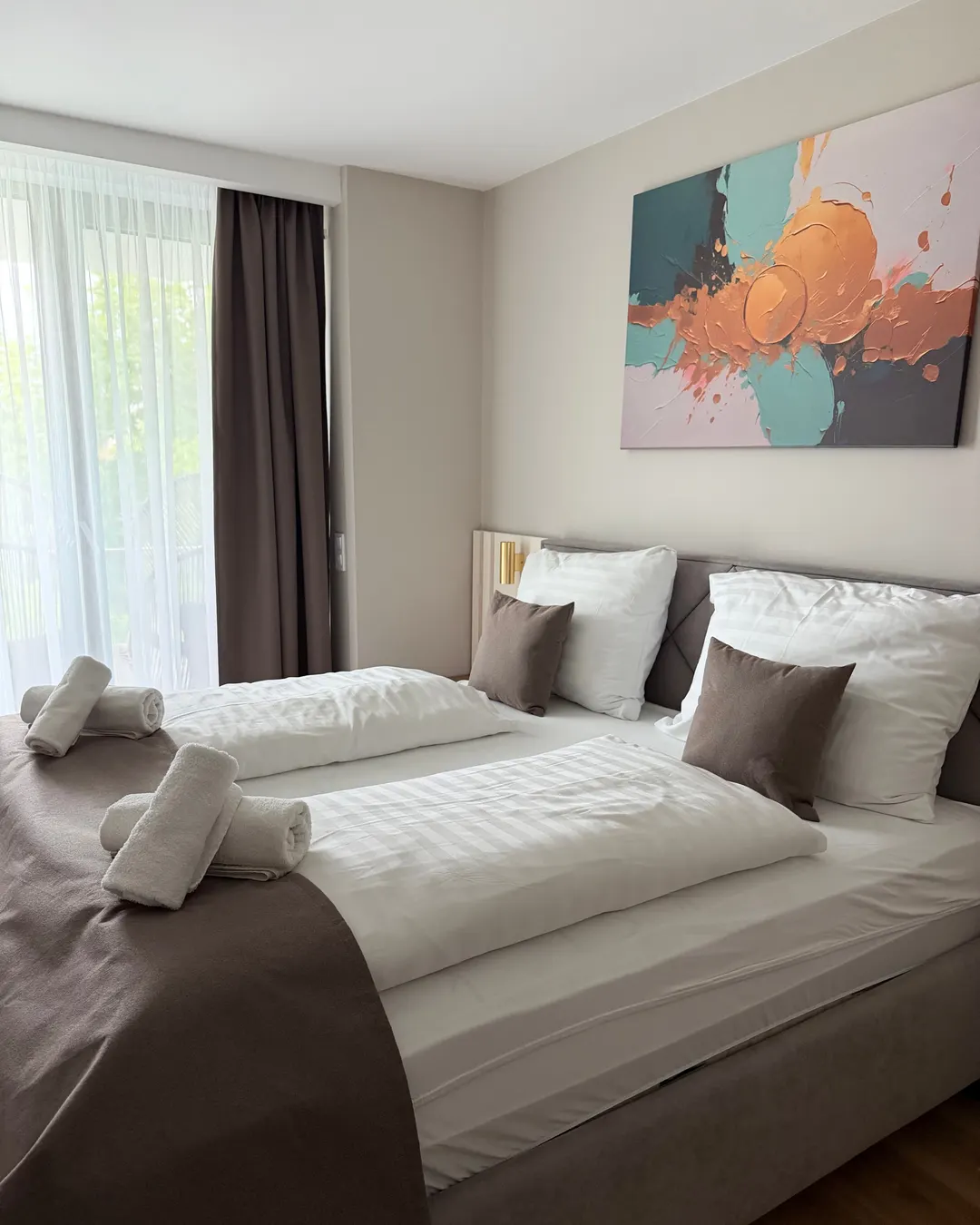
In the evening, under lamplight, the sofa looks fine. Then, on a sunny morning, when the light falls low across the armrest, a darker band appears where hands rest, and it turns out the headrest is greyer than the back of the cushion. Upholstery does not get dirty overnight: it slowly takes on, layer by layer, whatever falls on it and whatever settles on it from the air.
Sofas, mattresses and rugs are used every day, yet they rarely feature in the cleaning routine. Vacuuming keeps the surface tidy, but deep in the fibres dust, skin cells, pollen and pet hair accumulate. So the question is not whether deep cleaning is needed, but how often — and that is decided by use, not by the calendar.
What collects between the fibres?
A vacuum cleaner removes loose dirt from the surface. What has soaked into the fabric — the trace of a spilt drink, grease transferred from skin and hair, or odours — binds to the fibres and will not come out with dry methods. In a mattress, add to this the sweat and skin cells from hours spent in bed; in a carpet, the dust carried in from the street, which also wears the material at the base of the fibres.
Vacuuming removes what is on the upholstery. Deep cleaning removes what is in it.
What affects the frequency?
- use: whether the family sits on it every day, or only occasional guests
- pets: hair and odours settle into the fibres faster and build up around their favourite sleeping spot
- young children: more stains, more food and drink, and more time on the carpet
- allergies: in this case, reducing dust and pollen is not a matter of comfort
- ventilation and humidity in the room: in a humid room, textiles dry more slowly and pick up odours more easily
- the colour and material of the upholstery: light fabric shows wear sooner, dark fabric hides it longer
Rule-of-thumb figures
In an average household, deep cleaning the sofa and the carpet once a year is usually enough. With pets, small children or a family member with allergies, it is worth doing every six months. Many people forget the mattress, yet given the time spent in bed, machine cleaning at least once a year is justified. These are general guidelines; the actual need depends on use and the condition of the surface.
| Surface | Rule of thumb |
|---|---|
| Sofa and carpet, average household | Once a year |
| Sofa and carpet in homes with pets, young children or allergies | Every six months |
| Mattress | At least once a year |
| Upholstered office chairs, carpeted floors | Once a year, and when moving offices or after a refit |
| Accommodation textiles | Before the season opens, at the end of the season and in between as needed |
Signs that don't wait for the calendar
The guideline holds as long as nothing out of the ordinary happens in between. Some signs, however, mean it is not worth waiting for the next scheduled visit:
- a darker, shiny band appears on the armrest, the headrest or the front of the seat
- the distinctive musty smell returns even after airing
- the carpet looks greyer along walkways and the fibres have flattened
- yellowish stains are visible on the mattress once the cover is removed
- a family member with allergies reports more symptoms on the sofa or in bed
Time does embedded dirt no favours: the longer it stays in the fibres, the harder it is to remove.
Accommodation runs to a different rhythm
In apartments and hotels, textiles take many times the wear they do at home: over a season, guest after guest sits on the same sofa, and each one expects it to be fresh. Here, deep cleaning is best timed to the season: before opening, at the end of the season, and in between as needed. In accommodation, we clean upholstery, carpets and curtains on a scheduled rotation matched to occupancy, alongside the deep cleaning at the start and end of the season. We have written about how guest turnovers are organised in a separate guide .
What happens during a deep clean?
- We examine the material and test the product and temperature on an inconspicuous area.
- We pre-treat stains with a product chosen for their type.
- The Kärcher Puzzi 8/1 spray-extraction machine works the cleaning solution in between the fibres, then extracts it again together with the loosened dirt.
- We clean the mattress on both sides; after pets, smoking or damp, we also neutralise odours.
- At the end of the job, we tell you when the furniture can be used again. Because the machine also extracts the moisture, the upholstery doesn't get soaked.
If there are allergies, young children or pets, we agree the details in advance and work with fragrance-free, gentle products. Upholstery cleaning can be booked alongside deep cleaning in a single visit, as a separate item; we explain how professional deep cleaning differs from a weekend of cleaning at home in in this article .
Between visits
Weekly
Vacuuming with an upholstery nozzle, including under the cushions and along the seams. On carpets, slow, overlapping strokes, because a quick pass only takes the surface, not the base of the fibres.
When something spills
Blot immediately, don't rub, and always test any product on a hidden area first. You'll find what to do with fresh stains in the stain map brings this together.
For the mattress
A washable mattress protector, airing after the bedding is stripped and, if the mattress type allows, turning it from time to time. These do not replace machine cleaning, but they keep the surface in good condition for a long time between visits.
The best reminder
If you can’t remember when something was last deep-cleaned, it is probably due. So it makes sense to tie it to a recurring occasion: spring deep cleaning, the end of the heating season or, for holiday lets, the start of the season. That way, it isn’t the light on a sunny morning that decides when the sofa gets done, but a routine of your own.